호주 빅토리아주에서 발생한 이번 사고는 동물과 전력선의 단 한 번의 접촉도 큰 정전을 일으킬 수 있음을 보여준다. Blackout tip: distinguish a grid outage from a fault in your own home
When the lights suddenly go out, the first question is not how long the blackout will last but whether the public grid is affected at all. A tripped protective device, a fault on one circuit or a problem inside the building can look exactly like a regional outage. If you distinguish these situations calmly and without risky electrical work, you can react faster and more safely.
Start with a simple look outside. If streetlights, neighbouring homes or shops are also dark, a grid outage is likely. In daylight that can be harder to judge. A battery radio, the official outage page of your distributor or an outage SMS service that you registered for in advance can help. Do not rely only on social media because reports can be old, incomplete or assigned to the wrong area.
If neighbours still have power, check whether one room or the entire home is affected. If the hallway light works but the kitchen does not, there is probably no general blackout. A single circuit or protective device may be involved. Do not open electrical equipment, remove covers or attempt repairs to wiring or the switchboard.
Looking at the fuse box or switchboard is sensible only when it is dry, undamaged and safely accessible. A burning smell, unusual noises, visible damage, water around electrical equipment or scorch marks are clear reasons to keep away and call professional help. Safety matters more than restoring power quickly.
Once a network outage is confirmed, switch off or unplug unnecessary electrical appliances. This can help protect sensitive equipment from possible surges when supply returns. Leave one lamp switched on so that you immediately notice restoration without repeatedly testing switches.
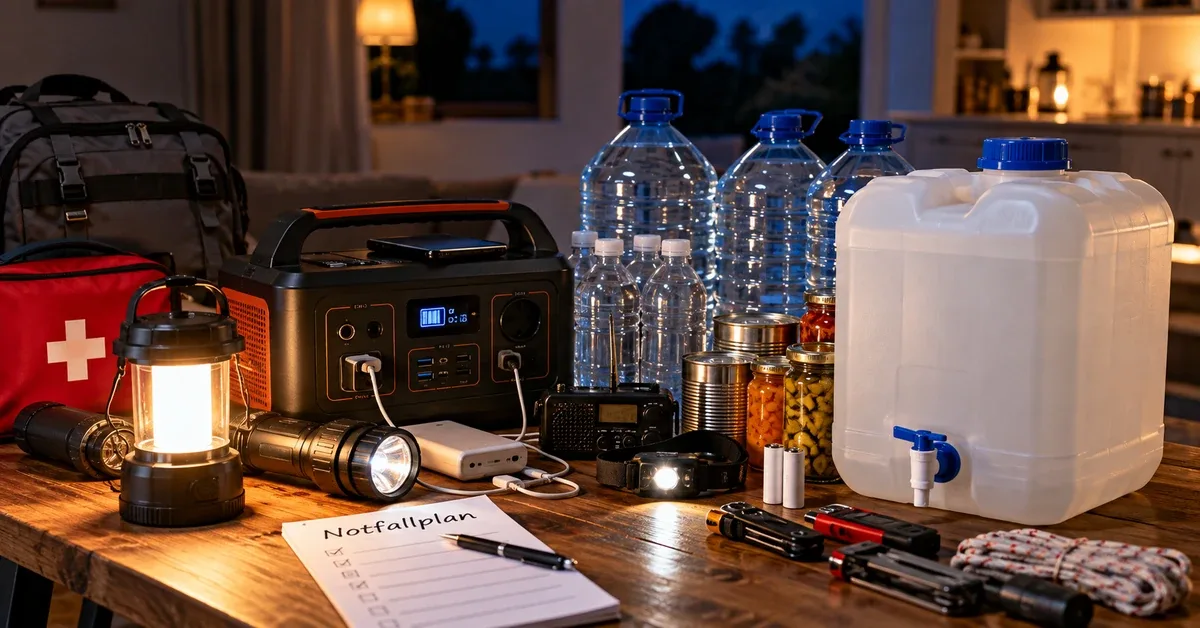
Store the distributor's fault number and outage-map address somewhere other than your phone. Write them on paper in your emergency folder or near the switchboard. Include your address, customer number or other details that may be needed when reporting a fault. A paper copy is valuable when the phone battery is empty or mobile data is unavailable.
Register for outage notifications in advance if your distributor offers them. Many utilities send SMS or email when an outage is detected and later update the cause and expected restoration time. That information helps you decide whether to wait through a short interruption or take additional measures for refrigeration, medical equipment, animals or other essential needs.
Know the boundary between a household check and professional electrical work. You can determine whether neighbours have power, whether several rooms are affected and whether the distributor reports an outage. Work on damaged lines, service connections, meters or electrical distribution equipment belongs to qualified professionals.
Practise this short routine once while electricity is working normally. Show every adult in the household where the switchboard is, where contact details are stored and which warning signs mean that nothing should be touched. Then an outage becomes a clear sequence instead of a search in the dark: check the surroundings, verify the official outage information, rule out hazards, protect important devices and contact the distributor or an electrician when necessary.
가이드
일반
25.09.2026
전력망 정전과 집 안의 전기 고장을 구분하는 방법
전력망 정전과 집 안의 전기 고장을 구분하는 방법