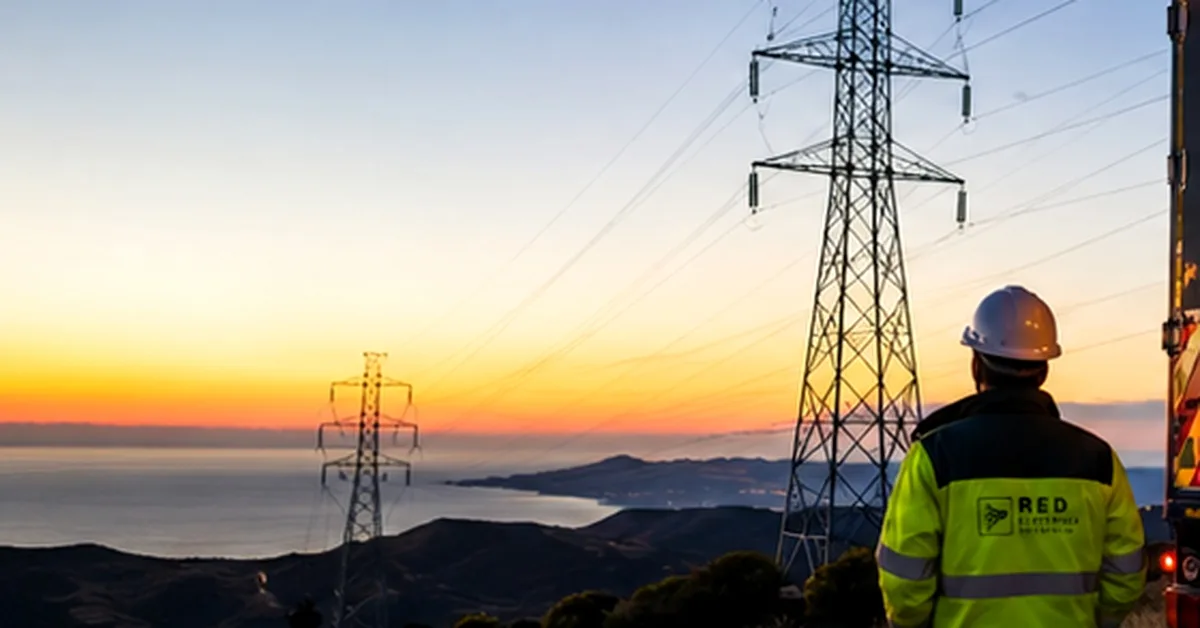
On September 2, 2026, a severe heatwave affected large parts of the United States and placed heavy strain on power systems from the Midwest to the East Coast. The U.S. Department of Energy warned of an increased risk of outages in the territory of PJM Interconnection, the country's largest grid operator, which serves 67 million people from Washington, D.C. to the Chicago area. PJM responded by declaring a Maximum Generation Emergency and asked generators to make additional capacity available.
The situation is significant because the pressure is not being caused mainly by a single technical failure or one storm. Instead, exceptionally high electricity demand is the central problem. During prolonged heat, millions of air conditioners run for hours at the same time, while refrigeration systems, businesses, data centers and industrial facilities also consume large amounts of power. If a power plant or transmission line then fails, the grid's safety margin can shrink very quickly.
On September 1, the U.S. Department of Energy issued an emergency order under Section 202(c) of the Federal Power Act. It allows PJM to dispatch specified additional generating units and, as a last resort, to use backup generators at large customers before the highest Energy Emergency Alert level, EEA 3, would have to be declared. The order remains in effect through September 8. Reuters reported that the measure is intended to reduce the chance that rotating outages become necessary during extreme peak demand.
The Midcontinent Independent System Operator, MISO, which manages a large part of the Midwest, also increased reserve requirements. Demand there was expected to reach about 121 gigawatts on September 2, close to its record of 127.1 gigawatts. Several regional utilities asked customers to switch off unnecessary appliances, use thermostats responsibly and move avoidable electricity use away from the most stressed hours.
For households, it is important to understand these warnings correctly. A grid emergency does not automatically mean a blackout is about to happen. It does mean that the reserve between normal operation and a serious supply shortage has become smaller. Under those conditions, an additional problem such as a generator outage, transmission fault or another severe weather event can have greater consequences than on a normal day.
This heatwave therefore demonstrates a different blackout scenario from sabotage, storms or equipment failures: a grid can also be pushed toward its limits simply by very high simultaneous demand. Consumers can use such warnings as valuable preparation time. Charge power banks and essential batteries early, keep refrigerators and freezers closed, and move unnecessary high-load appliances away from peak periods.
Its interconnected system spans 13 states and the District of Columbia and links population and industrial centers. That allows shortages in one area to be balanced with resources elsewhere, but only while enough generation and transmission capacity remain available. The emergency measures are designed to enlarge that safety margin.
For personal preparedness, a grid-stress warning is useful precisely because the power is still on. Water can be set aside, important devices can be charged, information can be saved offline and household demand can be managed before any actual outage occurs.
Sources: Reuters, September 2, 2026; U.S. Department of Energy, Emergency Order No. 202-26-41 issued September 1, 2026.
Latest updates
General
03.09.2026
USA: Heatwave pushes largest power grid to the limit as blackout risk rises
Extreme heat is driving US electricity demand sharply higher. PJM, serving 67 million people, declared a Maximum Generation Emergency as reserve margins tightened.