A power outage changes more than the inside of a home. When traffic signals, street lighting and electronic road signs fail, familiar routes can become slower and more dangerous. After a storm there may also be fallen trees, hanging wires, blocked streets and emergency vehicles. A transport plan therefore belongs in blackout preparedness alongside flashlights and power banks.
only drive when the journey is genuinely necessary. Shopping that can wait until tomorrow should wait. Eunnecessary trip adds risk at uncontrolled intersections and may slow emergency or repair vehicles. If the home is safe, staying there is often the better choice until conditions become clearer.
Before an essential journey, check information. City authorities, police, fire services and utilities often publish road closures, damaged-wire locations and areas with major outages. Save useful websites and telephone numbers in advance. If mobile data becomes unreliable, a battery radio and traffic bulletins can still provide information.
Approach a dark traffic signal with extreme caution. In many places an intersection with non-functioning signals is treated in a similar way to a stop-controlled intersection, but exact traffic law varies by country and region. Know the rule and never assume that other drivers will follow it correctly. Slow down early, brake smoothly, make eye contact where possible and drive defensively rather than relying on a presumed right of way.
Stay well away from hanging or fallen electrical lines. Never drive across a cable. A wire that looks harmless may still be live or connected to damaged equipment. The same caution applies to standing water near electrical infrastructure. Turn around and use another route instead of trying to pass an uncertain hazard.
Plan two alternative routes to important destinations such as a doctor, pharmacy, workplace, school, relatives and the nearest emergency centre. The alternatives should ideally use different main corridors, not simply the next parallel street. One fallen tree or blocked junction can otherwise disrupt both routes at the same time.
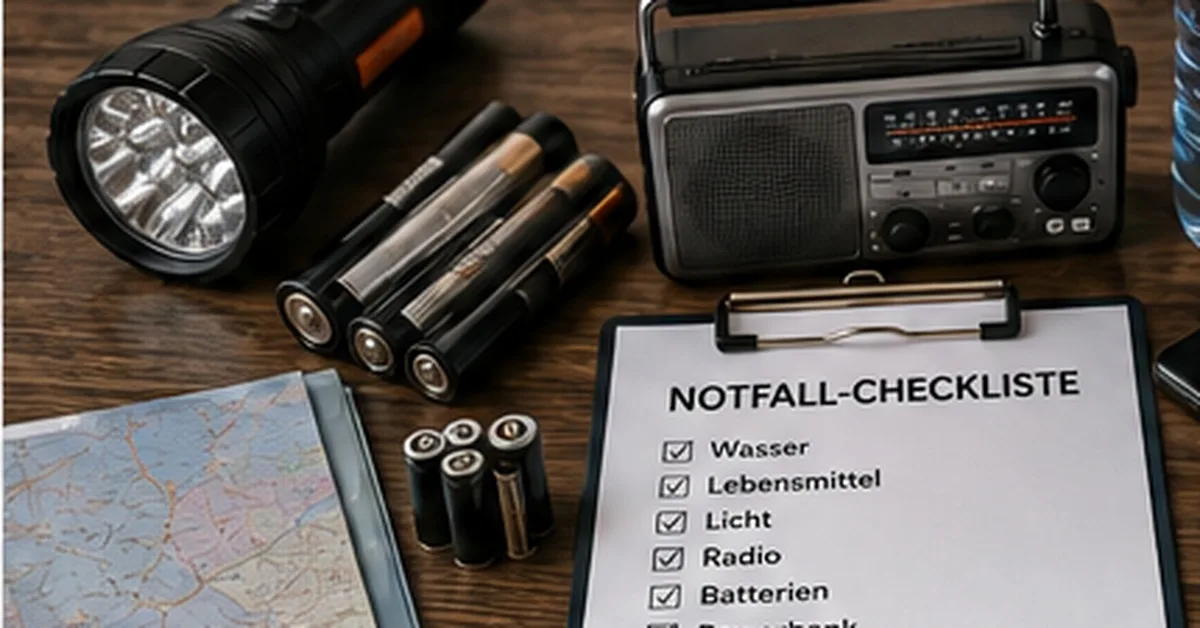
Keep a paper map or printed map in the vehicle. Navigation apps are useful but can become unreliable if the mobile network is overloaded, the phone battery is low or data service fails. Mark important destinations, meeting points and alternative routes. A flashlight, reflective vest, drinking water and charging cable are also sensible vehicle items.
If children or relatives may need collecting, agree on clear rules beforehand. Who drives? Where exactly is the pickup point? What happens if the direct road is blocked? Several family members should not all set out separately to search for one another. That wastes gas and creates more traffic.
After dark, risk rises again because street lighting may also be out. If the journey is not urgent, postpone it until daylight. Pedestrians and cyclists are much harder to see around unlit intersections.
Also know the actual gas level in the vehicle. Gas stations may have difficulty operating during a long outage because pumps and payment systems need electricity. If severe weather is forecast, charge an electric vehicle in advance The point is not to drive more but to ensure that one necessary journey remains possible.
A good outage transport plan is straightforward: reduce journeys, know alternative routes, treat dark signals defensively, avoid wires and keep essential information offline. That preparation can stop a power failure from becoming a traffic accident.
Guides
General
31.08.2026
Traffic signals out during a power outage: plan safer routes and avoid unnecessary trips
When a power outage also disables traffic signals, collision risk rises quickly. A few simple rules help families move more safely without adding unnecessary traffic to an already difficult situation.