A yellow or red grid alert is different from a power outage that has already happened. That difference is exactly what makes an alert useful: while electricity is still available, households have a short window to raise their preparedness level in an orderly way. Instead of charging everything at once, use a fixed 30-minute routine.
Minutes zero to five are for information. Check the official notice from the grid operator or responsible authority first. Note which region is affected, how long the alert is expected to remain in force, and whether authorities mention conservation requests or possible interruptions. Do not rely only on social media, where old or incorrect warnings can spread quickly.
Next comes communication. Connect important phones and power banks to chargers immediately, but do not charge every device you own. Priority goes to phones, radios, medically necessary batteries and equipment needed for information or contact with relatives. If several people are at home, decide which phone will serve as the primary communication device.
Between minutes ten and fifteen, deal with water and refrigeration. Fill available drinking-water containers if your water supply may depend on electric pumps. Check the refrigerator and freezer and decide which food would need to be used first if power failed. After that, avoid opening the doors unnecessarily.
Use the next five minutes to prepare lighting and orientation. Put flashlights or LED lamps in fixed, easy-to-reach places so nobody has to search for them in darkness. Check that spare batteries are accessible. Candles should not be the first choice because open flames add unnecessary risk when lighting is poor and people are under stress.
Minutes twenty to twenty-five are for your stored electricity. If you own a power station, charge it now while disconnecting unnecessary loads. Large appliances such as electric water heaters, washing machines, dishwashers or air conditioners should not be started during a stressed-grid period when authorities are asking consumers to conserve electricity. One household cannot stabilize a grid by itself, but many loads shifted away from the same peak period can reduce demand.
Finish by checking cash, medicines and the household communication plan. Are essential medicines ready? Is some cash available in case card terminals and cash machines stop working? Does everyone know where flashlights, the radio and emergency supplies are stored? Is there a meeting point if mobile service or internet later becomes unavailable?
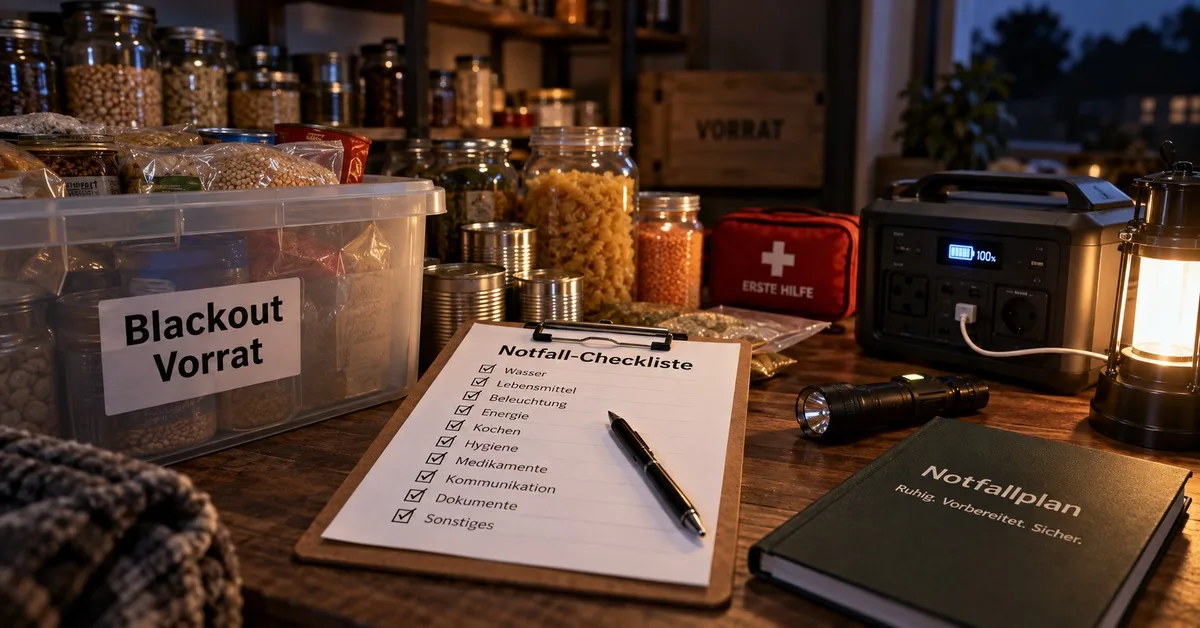
Keep the 30-minute routine on a single sheet of paper. Attach it inside the emergency-supply box or store it with the power station. During a real alert, you should not need to search the internet for a long checklist and decide what to do next.
A clear reset procedure also matters. When the grid operator ends the alert, recharge anything you used and return equipment to its assigned location. Write down anything that was missing or did not work properly. In this way, every grid warning becomes a small practical test of your preparedness.
A grid alert does not automatically mean that electricity will fail. Panic buying and panic behavior are therefore unnecessary.
Once this sequence is familiar, a household can accomplish a great deal in half an hour.
Guides
General
16.09.2026
Grid alert: your 30-minute routine while the power is still on
A yellow or red grid alert is different from a power outage that has already happened. That difference is exactly what makes an alert useful: while electricity is still available, households have a short window to raise their preparedness level in an orderly way. Instead of charging everything at once, use a fixed 30-minute routine.