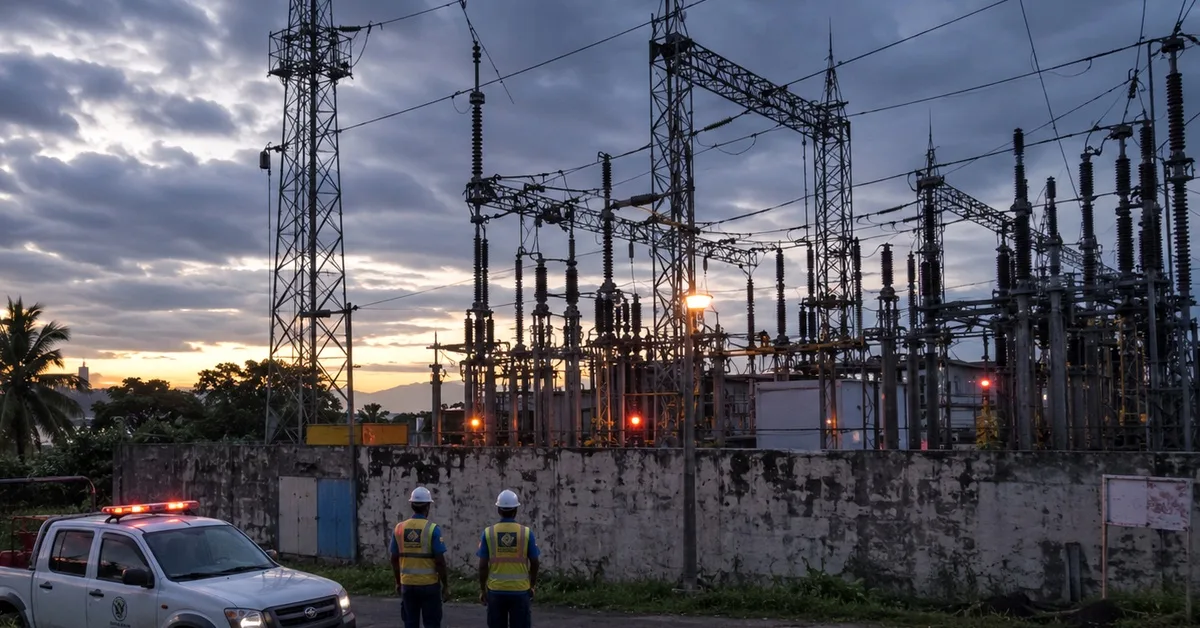
Cybersecurity at Britain’s smaller power plants is back in focus. On 27 August 2026, the Guardian reported that hundreds of smaller electricity generators could remain at elevated risk from cyberattacks into the 2030s. The immediate backdrop is a successful Iran-linked intrusion against a small gas-fired power plant in July. The incident forced the unnamed facility offline for four days. The government said it had no impact on the wider electricity system, but the shutdown demonstrated that a digital attack can produce a physical interruption at an operating energy site.
Large power stations in Britain already face stronger security requirements. Many smaller generators sit below existing thresholds and often have fewer dedicated cybersecurity resources. Yet these sites can still matter to system operation. Small gas plants may be called on when demand rises or when wind generation is low. Losing one small unit is usually manageable. A coordinated attack affecting several similar generators, however, could reduce available reserve capacity and make grid balancing more difficult.
The government has already announced a broader regulatory overhaul. The Department for Energy Security and Net Zero and Ofgem intend to develop baseline cyber-resilience requirements across the downstream gas and electricity sector. Current plans envisage Ofgem developing detailed baseline standards by 2027, with full implementation by the end of 2030. Critics argue that the timetable is too slow after a successful attack. The government says the energy system is resilient and that it is working with industry, Ofgem, the National Cyber Security Centre and the National Energy System Operator to strengthen protection.
For blackout preparedness, the key point is that a cyberattack does not have to cause a national blackout to be serious. Disabling individual generators can reduce spare capacity, force operational changes and create additional work for control rooms and network operators. Modern electricity systems depend on many connected digital and physical components. As remote control, automation and data exchange expand, cybersecurity increasingly becomes part of ordinary electricity reliability.
The case also shows that critical infrastructure is not limited to the largest power stations. Smaller generators, batteries, substations, control centres and communications links all contribute to the system. Individually, many may seem minor. Collectively, they can be important. That is why experts are concerned not only about this specific plant, but about the security level across a large population of similar facilities.
Households cannot prevent a cyberattack on the energy sector, but they can reduce the impact of a resulting outage. Charged power banks, battery lighting, drinking water, some cash, a radio and important information stored offline remain sensible basics. It is also worth checking which electronic doors, heating controls, alarms and smart-home functions still work if both mains power and internet connectivity disappear.
The British incident is therefore not a reason for panic, but it is a meaningful warning. The plant was small and the national grid remained stable. Even so, a cyber intrusion removed a real power-generating facility from service for several days. That direct link between digital compromise and physical energy disruption is what makes the event relevant for practical blackout preparedness.
Sources: The Guardian, 27 August 2026; Department for Energy Security and Net Zero / Ofgem cyber-regulation response, updated 5 August 2026; UK Energy Sector Cyber Security Strategy, 28 May 2026.
Latest updates
General
29.08.2026
UK: Small power plants face prolonged cyber risk after Iran-linked attack
A new report says hundreds of smaller British generators could remain at elevated cyber risk into the 2030s after an Iran-linked attack shut a small gas plant for four days.