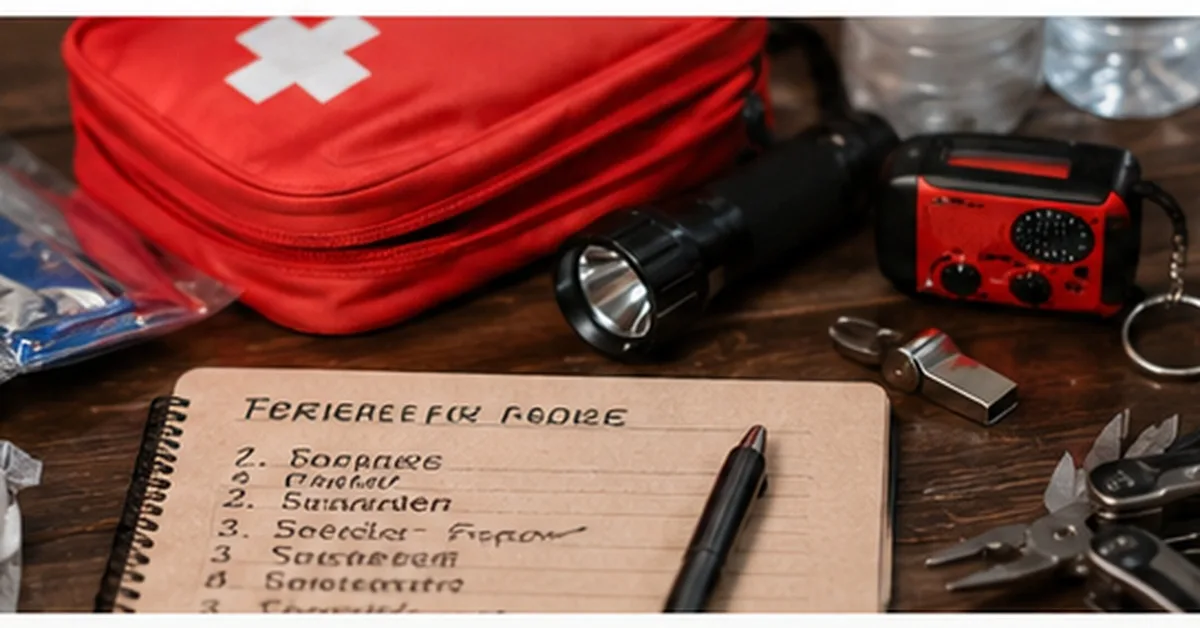
When the electricity fails, the immediate priorities are usually lighting, water, refrigeration and communication. Compensation or insurance is rarely the first thought. During a long outage, however, spoiled food, generator costs, fuel, temporary accommodation or damaged appliances can add up quickly. A simple record started while the interruption is still happening can make a major difference later.
Begin with the time. Write down when you first noticed the power cut and when electricity actually returned. If the network operator sends an outage reference, ticket number, text message or estimated restoration time, save it. Take a screenshot while mobile data and internet still work. This creates your own timeline in case information later disappears from an online account or is updated.
Photograph damage before throwing anything away or arranging repairs. For spoiled food, do more than photograph an empty refrigerator. If practical, record the contents, recognisable packaging and any temperature display. For damaged electrical equipment, photographs of the appliance, model plate, visible damage and purchase receipt can be useful. Dangerous items should still be removed immediately if leaving them in place would create a safety risk.
Keep every relevant receipt. Examples can include generator fuel, generator purchase or rental, batteries, ice, necessary cooling materials, additional transport or temporary accommodation if the home cannot safely be used. Where possible, pay in a way that produces a clear receipt or invoice. If you pay cash, take particular care not to lose the paper evidence.
Maintain a short list showing the date, amount and purpose of each expense. Paper is perfectly adequate and has the advantage of not depending on battery power or internet access. You can photograph or digitise it later. Record only genuine and necessary costs. Exaggerated or unsupported claims make a legitimate case harder to assess.
Save messages from the utility and official warnings as well. If estimated restoration times are postponed repeatedly, note those changes. They may later explain why it became necessary to rent a generator, buy fuel or stay elsewhere. The same applies to evacuation orders or instructions from local authorities.
After the event, check the rules that apply in your country, with your electricity operator and under your insurance policy. Compensation systems vary widely. Some payments are automatic; others require an application within a deadline. Some cover direct losses, while others provide only fixed payments or narrowly defined costs. Good documentation does not guarantee reimbursement, but a valid claim is often much harder to prove without evidence.
Keep two copies of the records. Store paper receipts in a dry, protected folder. Save photos and scans offline on a USB drive or second device as well. During a blackout, do not rely only on cloud storage because internet access may be unavailable.
Once power is permanently restored, add the final restoration time to your notes and check whether important appliances operate normally. Only then is the record complete.
This preparation costs almost nothing and takes only a few minutes. During a multi-day outage, however, it can determine whether you can later show clearly which losses and necessary expenses actually resulted from the interruption.
Latest updates
General
01.09.2026
Document power-cut losses: record times, photos and receipts for possible later claims
Long outages can quickly create extra costs and damage. Recording times, photographs, receipts and necessary spending from the start makes later claims much easier to support.