When authorities or grid operators warn of exceptionally high electricity demand, there is no reason to panic. It is, however, a useful moment to organize the household so that important equipment is ready while unnecessary peak demand is reduced. During heatwaves, air conditioners, refrigeration, electric water heating, washing machines, dryers, chargers and electric vehicles can all place heavy demand on the grid at the same time.
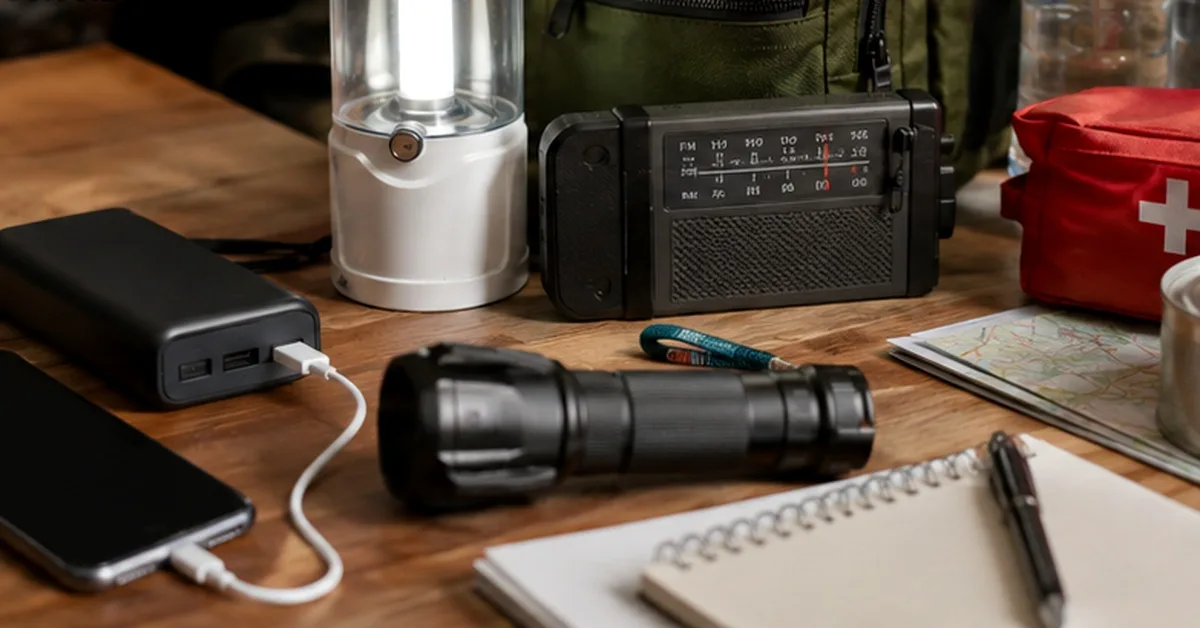
Start with the devices you would need during an outage. These include power banks, mobile phones, flashlights, battery radios, medically necessary equipment and, where useful, rechargeable fans. Charge them early rather than waiting until an official grid emergency has already been announced. Once the batteries are full, disconnect chargers that are no longer needed.
Next, move electricity use that can wait. Washing machines, dishwashers, tumble dryers, electric water heaters or EV charging usually do not have to run during the highest-demand period. Grid operators often identify late afternoon and early evening as critical hours. Moving these loads to later at night reduces your household peak without giving up the service entirely.
With air conditioning and cooling, health comes first. Nobody should stop necessary cooling during dangerous heat simply to save electricity. Instead, close doors and windows, shade rooms before they heat up and cool mainly the rooms that are being used. Clean filters, closed curtains and a reasonable thermostat setting can significantly reduce power demand without making the home unsafe.
Keep refrigerators and freezers closed as much as possible when the grid is under stress. Every unnecessary opening lets cold air escape and forces the compressor to run longer. Do not place warm food directly inside. If you have freezer packs or frozen bottles of water, they can store cold and help keep temperatures stable longer if an outage later occurs.
Switch off unnecessary standby loads. Televisions, game consoles, extra computers, printers and chargers do not all need to remain active during a warning period. The goal is not to shut down the whole household, but to use electricity where it provides the greatest benefit.
Create a simple plan: Which devices must be fully charged? Which loads can wait? Who in the household checks official updates? If an outage occurs, lighting, radio, communications and basic cooling are already prepared.
A short priority list kept near the breaker panel or in the emergency folder can help. Divide equipment into three groups: essential, can wait, and switch off during an outage. Family members should know which devices are medically or practically important and which can be stopped immediately.
If your utility offers an app or alert service for peak-demand warnings, enable notifications. Do not rely only on a smartphone, however. A battery radio and a written source of official information remain useful if mobile service or internet later becomes unreliable.
After the warning ends, avoid switching every large appliance on at once. Restart major loads one by one. That prevents a sharp household demand spike and reduces the chance of tripping breakers.
This preparation costs almost nothing and changes daily life only slightly. Yet during periods of extreme grid stress it means essential batteries are full, the household is organized and demand is lower exactly when the electricity system has the least spare capacity.
Guides
General
03.09.2026
Avoid peak demand: charge emergency devices early and shift large appliances
When the grid is stressed, timing matters: charge essential batteries early, move large loads away from peak hours and keep necessary cooling efficient.