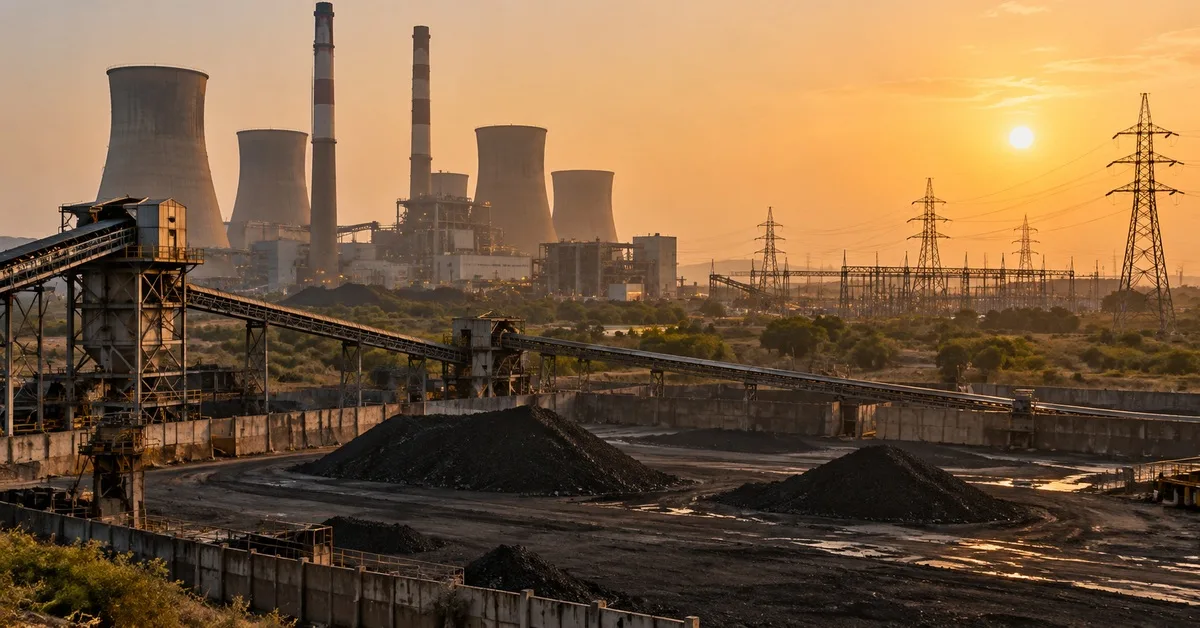
India is entering a strained phase for its electricity system. New data show that almost one third of the country’s coal-fired power plants now have critically low fuel inventories. As of September 9, 2026, 59 plants had less than 25 percent of the required coal stock or enough fuel for only about three days of operation. At the end of August, the number was 45.
The immediate pressure is unusually high electricity demand. Persistent heat, intensified by an El Niño weather pattern, is driving consumption higher. Peak demand is again approaching the previous record of about 270.7 gigawatts, reached only in May. Strong solar generation helps during daylight hours, but the more difficult period begins in the evening when solar output falls while cooling, lighting, homes and industry still require large amounts of electricity.
Reservoir levels are also lower than normal for the season. That reduces the availability of flexible hydropower, which can normally help cover peak demand. Battery storage in India is not yet large enough to close that gap completely. Coal therefore remains a crucial source of evening and nighttime generation.
Critically low stocks do not automatically mean that a nationwide blackout is imminent. There is currently no solid evidence for such a conclusion. However, the shortage increases pressure on transport logistics and power plant operations. When many plants have only a few days of reserve, any delay involving rail capacity, coal production or deliveries can become more serious much faster.
India has already increased deliveries. The number of coal trains rose to 444 on September 6, compared with 370 on September 3. Coal India has also expanded road shipments. The company says it still holds large volumes of coal at mine sites. The key problem is therefore not only total supply, but moving enough fuel to the correct plants at the correct time.
For blackout preparedness, the case is useful because it shows that electricity shortages do not require a dramatic technical failure. Heat, high demand, low water levels, limited storage and transport bottlenecks can reinforce one another. A power system may have enough generating capacity on paper and still face pressure when fuel or flexible reserves cannot be delivered quickly enough.
For households, the practical lesson is not to wait for an official outage warning. Charged power banks, LED lighting, a battery radio, drinking water and a simple plan for cooling and communication provide security even during short interruptions. During extreme heat, households should also remember that fans, air conditioners and refrigerators may all be needed at the same time.
Anyone with a freezer can create a simple cold reserve. Frozen water bottles or ice packs can help keep food cold for longer when the power fails. Containers should never be filled completely, because water expands when it freezes. This method is not a replacement for long-duration backup power, but it can buy valuable extra time.
The developments in India are therefore not proof that a nationwide blackout is about to occur. They are a warning sign of how quickly a power system can move toward tighter reserves when heat and strong demand meet fuel and logistics constraints.
Sources: Reuters, September 11, 2026; Indian power-sector data for September 9, 2026; Coal India statements.
Latest updates
General
12.09.2026
India under power pressure: Nearly a third of coal plants have critically low fuel stocks
Fifty-nine Indian coal plants had critically low stocks on September 9. Heat, high demand, lower reservoirs and limited storage are tightening the power system.