Great Britain is tightening its preparations for a serious electricity-system emergency. From 13 August 2026, the National Energy System Operator, NESO, will be able to use a new procedure allowing rotating power cuts to be ordered much more quickly during an acute shortage of electricity. In an extreme situation, households and businesses could learn only seven to eight hours beforehand that their area may be temporarily disconnected.
That sounds dramatic, and the procedure is deliberately designed for a dramatic situation. The Demand Control Rotation Protocol, or DCRP, is explicitly a last-resort measure. It is intended for use when electricity generation and demand can no longer be kept sufficiently in balance and other available measures have been exhausted. The aim is not to create a blackout, but to prevent an uncontrolled collapse of the wider power system.
The reason lies in a fundamental physical limitation of every electricity grid: generation and consumption must be balanced almost continuously. If the gap becomes too large, frequency and voltage can become unstable. Controlled load shedding is therefore intended to stop a regional shortage developing into a much larger disruption.
Under the new rules, NESO can instruct regional network operators to disconnect selected groups of consumers temporarily. The cuts are designed to rotate so that the same households or businesses are not repeatedly left without electricity. Reports indicate that individual periods could last up to roughly three hours. The system can reduce demand by more than 20 percent in affected areas. Protected sites such as hospitals, water-treatment facilities and certain locations important to national security should, where technically possible, remain exempt from planned disconnections.
The crucial difference from Britain's existing emergency arrangements is speed. The Electricity Supply Emergency Code is primarily designed for prolonged and severe supply crises and relies on government emergency powers. The new DCRP is intended to deal with shorter-term shortages. Official NESO documents provide for network operators to receive a warning roughly seven to eight hours in advance so they can prepare their networks for rotating disconnections.
British regulator Ofgem approved the necessary Grid Code and Distribution Code changes on 30 July. The official start date is 13 August. Ofgem describes demand-control measures during a supply shortfall as an essential last-resort component of system operation.
The timing is sensitive. Britain has already faced exceptional heat, high electricity demand and tight reserves this summer. In June, NESO had to secure additional generation and expensive imports to avoid a supply crunch. At the same time, the widespread Iberian blackout of 2025 demonstrated how serious the consequences of an uncontrolled system collapse can become.
For consumers, however, the new rule does not mean that power cuts are expected in the coming days. NESO stresses that the DCRP would be used only in extreme and unlikely circumstances after all other available options had been exhausted. Even so, the change shows how seriously grid operators now treat short-term imbalances.
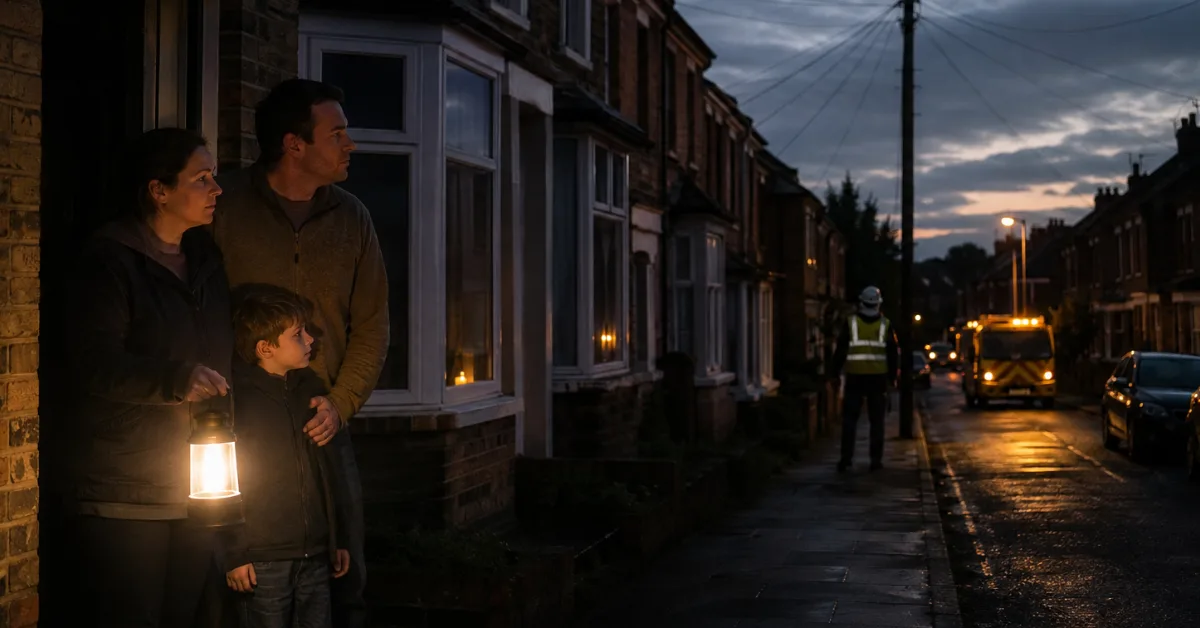
For blackout preparedness, the message is straightforward: even in a highly developed European electricity system, controlled outages can form part of emergency planning. A torch, charged power banks, some drinking water, a battery-powered radio and a simple plan for several hours without electricity can make a short-notice outage far easier to handle.
Sources: The Guardian, 10 August 2026; The Guardian, 24 June 2026; Ofgem, decision on GC0176 and DCRP/MP/25/06 dated 30 July 2026; National Energy System Operator, GC0176 Demand Control Rotation Protocol.
Latest updates
General
11.08.2026
Just eight hours' warning: Britain makes rolling power cuts an emergency grid tool
Great Britain is introducing a new emergency procedure. During an acute electricity shortage, NESO will be able to prepare rotating power cuts with only seven to eight hours' notice.